Introduction to the Microbiome
The microbiome refers to the collective set of genes belonging to the microbiota in a specimen. The term microbiota represents the community of microbes themselves.
Disturbances in the microbiome have been linked to multiple chronic conditions, including obesity, inflammatory bowel disease, alcoholic and nonalcoholic fatty liver disease, and hepatocellular carcinoma.

Microbiome Variability
Assessing a microbiome disturbance is not a trivial task as it is highly variable from person to person.
Large sample sizes, hundreds of patients, are needed to overcome interindividual variability.
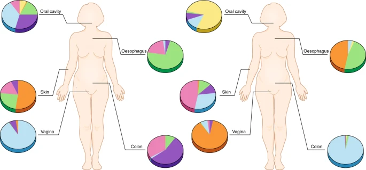
Sample Collection
Sample collection is also a difficult challenge and highly dependent on the study question.
The microbiome can change in an individual over time, especially in diseases marked by flare ups like IBD.
Samples might not be representative of the site in question. For example, a stool sample sits in the rectum – an environment that is undergoing dehydration and fermentation which might select for different bacteria than in the small intestine.

Confounding Factors
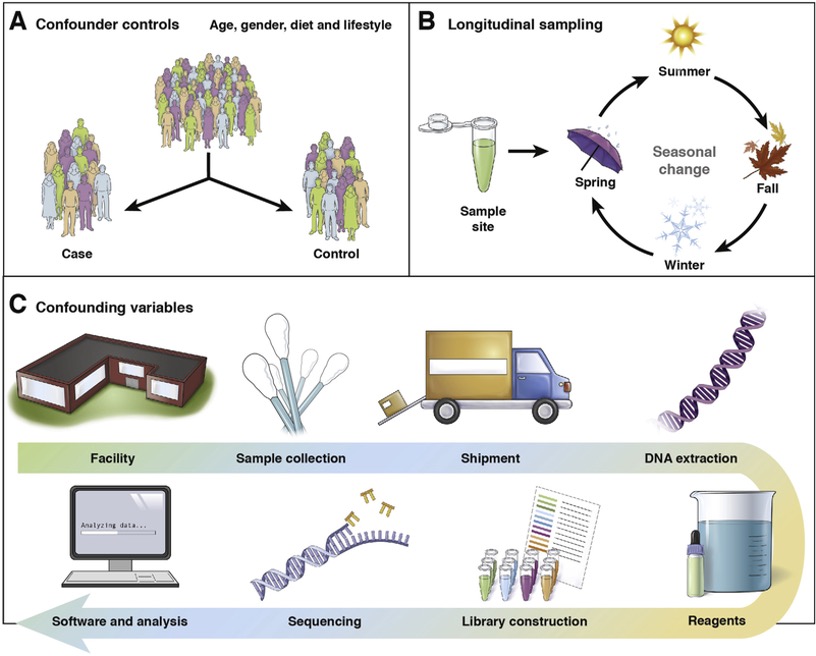
When conducting a clinical experiment, it is pertinent to stratify accounting for age, gender, diet, etc.
Sampling over time is incredibly valuable as you can better capture intrapatient variability.
Additionally, the way the sample is processed can also confound your results
What is an Amplicon?
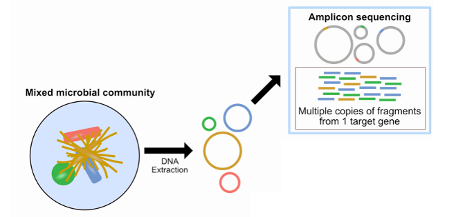
Microbiome Amplicon sequencing involves sequencing a specific gene from microbial community
Why Sequence One Gene?
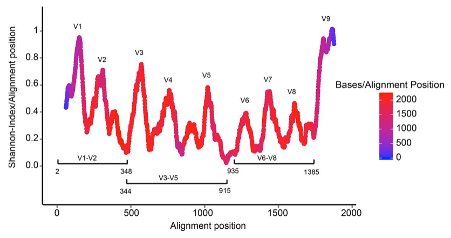
Genes can vary per organism and may not be well conserved across species. To assess the microbial community composition, we need to sequence a conserved gene across organisms of interest:
16S ribosome DNA (rDNA) for prokaryotes
18S rDNA and internal transcribed spacers (ITS) for eukaryotes
In the selected gene there are different levels of conservation across organisms. To circumvent this parts of the gene with high conservation (like the V4 region of 16S rRNA) are selected for
Our Data
Today we will be analyzing the microbiome of wild type mice and the C57BL/6NTac laboratory mouse strain, from Rosshart et al. (2107), using amplicon data analysis:
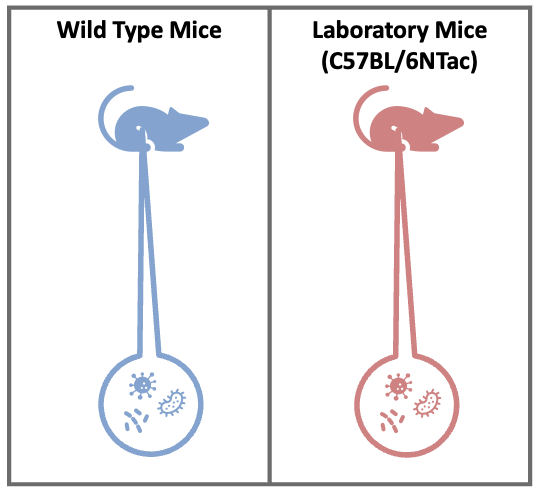
Amplicon Data Analysis
The goal of amplicon data analysis is to generate amplicon sequence variant table (also called feature table). Researchers can use this table to conduct further downstream analysis including:
alpha/beta-diversity
taxonomic composition
difference comparison
correlation anlysis
network analysis
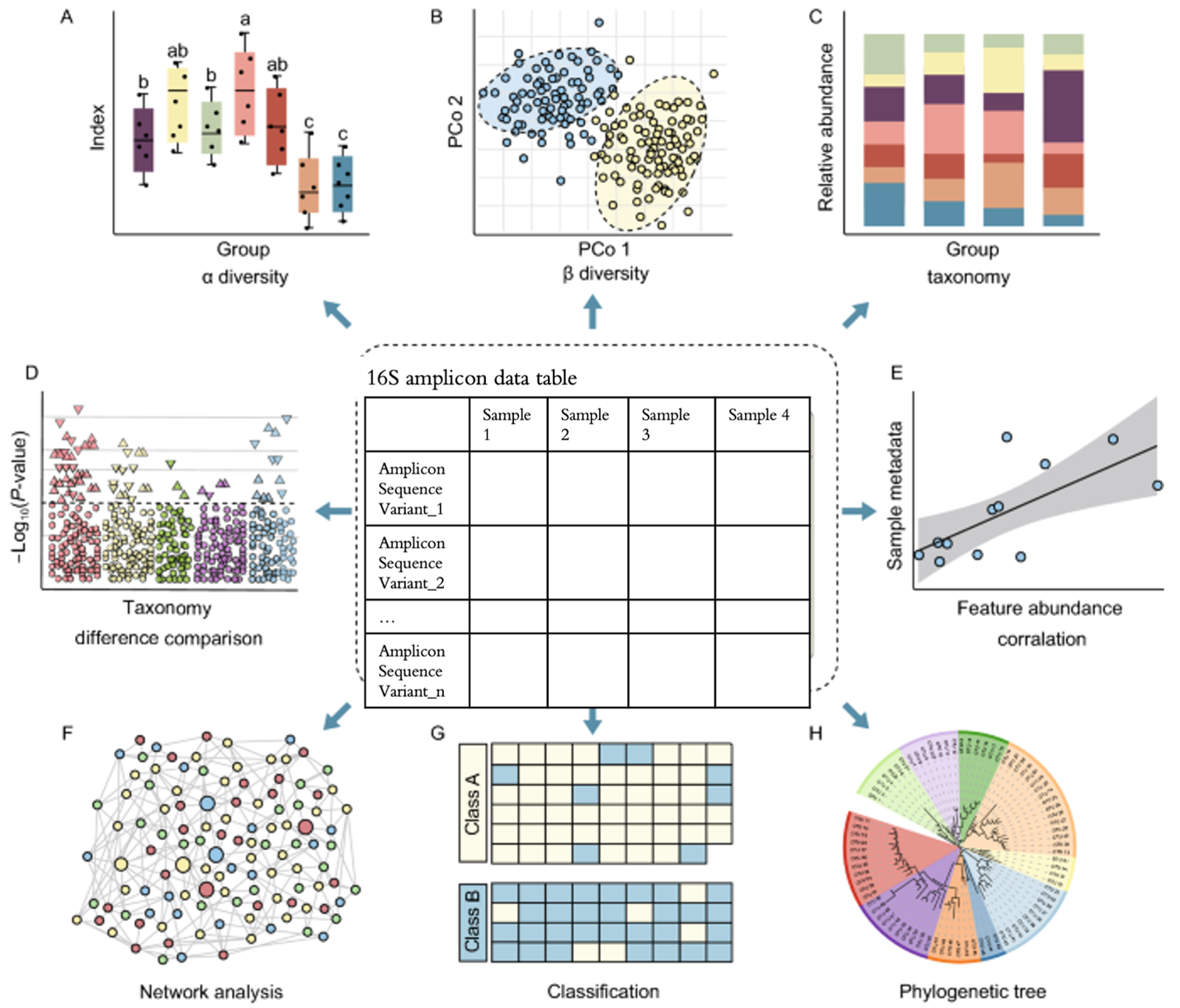
Modified from Liu et al. Protein & Cell (2021)
Today we will be using the DADA2 method to perform our amplicon data analysis!